Building Soil Year Round
- MJ

- Apr 7
- 6 min read
Let's face it, buying soil is EXPENSIVE and usually difficult to get, especially when you are low on time, money, energy and the use of a truck. On top of all that most of the soil you purchase from hardware stores come from far away and are primarily peatmoss. Which isn't a very eco friendly or biodiverse option.
Building soil year round is a permaculture tool that helps us to reduce our inputs while increasing our outputs in small manageable ways. The more we let nature do our work for us the better. As someone who loves gardening but struggles with chronic fatigue, I've discovered simple yet effective ways to build soil and nurture my garden year-round.

By making small changes to your garden and growing system, we can use plants and eco-friendly recycling techniques to not only reduce our waste but support our systems all year long. How do we do this? Here are some examples of ways I build soil and resiliency year round.
Designating Walking and Growing Paths
Normally, how I was taught to garden anyways, is to pick an area and have that be the garden. We would then till it every year, plant our rows and do it all over again next year. From what I have learned in Permaculture, there is an easier and better way. Creating designated walking paths and planting rows/beds is one of the simplest ways to build better soil over time




Keeps foot traffic off the places you’re trying to grow in - Every step presses soil particles closer together, squeezing out the tiny air pockets that roots, worms, and microbes need to thrive.
Reduces Compaction - compacted, water has a harder time soaking in, roots stay shallow, and plants struggle more in heat and drought. By choosing “this is where we walk” and “this is where we grow,” you protect the soil structure where your plants grow, so it stays loose, crumbly, and full of life without needing to be tilled.
Paths act as aquifers - When we add mulch to these pathways (soil should never be left bare) they now become water sponges that soak up and hold water in and beneath them, watering the growing rows slowly.
Microbe and Nutrient Builder - Mulching our walking rows, reducing or eliminating tilling, and rotating our plants, year after year we replenish nutrients and encourage more microbial activity, which in turn increases topsoil and encourages better plant growth.
The paths take the pressure, and the beds get to improve year after year—better drainage, better water-holding capacity, easier planting, fewer weeds, and healthier plants with less effort.
Mulch
Incorporating mulch, both living and dead, year-round.
Living mulch - These are plants that cover and usually sprawl across the ground.
Clover mixed in with grass - Takes nitrogen from the air and stores it in the soil, fertilizing grass eats time its cut and when it dies back in the winter. When it goes dormant in the winter, the dormant plant sheds its leaves and roots, increasing biomass, dumping nitrogen and micronutrients, and increasing topsoil overall.
Thyme on walkways - Stops erosion, keeps soil in place, and adds nutrients back to the soil during dormancy. Beneficial insects reproduce underneath dense shelter.
Field Peas - Planted under grains, providing nitrogen fixation and nutrients to the soil, building topsoil over time.

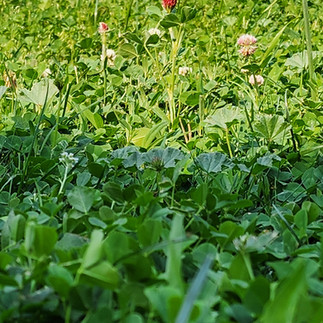


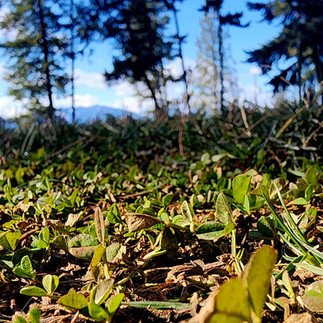
Sheet Mulch - Often referred to as 'dead' mulch
Wood Chips - Break down over a year, adding carbon and minerals to the soil. Worms love to live under them, increasing the worm population in the garden. These need to be topped up annually as they break down quickly under optimal conditions.
Wood chip mulch - Last picture shows 1 year of decomposing 5 inches down to less than one
Leaf Litter from Trees - By allowing these to fall and stay in place, they protect soil and plants from weather and erosion, add carbon and nutrients to soil, and provide insect habitat.


Adding mulch increases macro and micronutrients in my system, enhances soil's retention, builds top soil, reducing weeds and boosts beneficial insect populations. On top of it all, reducing my inputs for years to come.
Compost, Compost, Compost
Not only does composting reduce waste, but it also enriches your soil with essential nutrients, making your garden thrive. These composting systems can be as easy as you would like to make it.
Vermicomposting (Worms) - This can be done indoor or out doors by adding kitchen scraps to a bin filled with worms and allowing them to do all the work. 4-6 months to harvest.
Lasagna Composting - Layering of greens (kitchen scraps) and browns (newspaper/wood chips) materials until 1 meter high, leaving for 4-10 months to break down. In the warm summer month your will have rich dirt within 4 months. Over the long winter months this will take longer, usually 6-8 months depending on moisture and temperature
Hot Composting - similar to lasagna, with the addition of turning the pile one meter high to encourage faster composting. 1-4 Months.


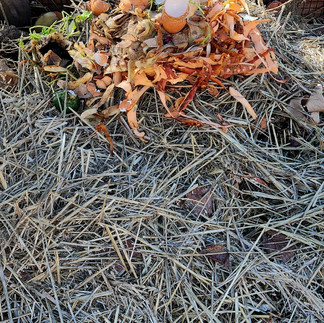


Composting is a simple tool to turn kitchen and yard waste into soil! Want to dive deeper into composting techniques? Check out my Composting Courses below!
Collecting Branches from Pruning
Each year when I prune my healthy perennial plants, instead of disposing of them, I turn them into soil.
Shredding Branches - I am lucky enough to have acquired a wood chipper, this allows me to chip my branches into small pieces to be used as mulch or in compost. I have recently discovered that there are places that will let you rent woodchippers and shredders! So no need to buy once. Have a search in your area
Burning them - Some branches I choose not to chip. These are plants like willows that will grow from small pieces of branch or walnut that contains juglone (Juglone is a strong pesticide and herbicide component that is by heat). The ash then becomes a beneficial additive to compost and soil to provide minerals and will alkalize acidic soil.
Added Note - Cedar and Pine in large amounts can have antimicrobial properties, these are usually best used mixed in with other types of branches, or used on walking paths to keep balance. The needles from them can acidify the soil over time in large amounts as well. Best used for acidic loving plants like cranberries and blueberries.




Planting Nutrient Accumulating Plants
Dynamic Accumulators are plants that have deep or intricate root systems. These root systems allow them to pull nutrients and minerals from the soil that would otherwise be inaccessible to other plants. When these plants go dormant their leaves, twigs and roots shed adding these mined minerals and nutrients back into the soil.
Some of my favorites are:
Borage - For Silicone Dioxide and Potassium. Edible, pollinator magnet and increase flavor of Strawberries.
Buckwheat - Nitrogen and Potassium. Great as a mulch and pollinator magnet.
Brassicas - Boron, Calcium, Copper, Chromium, Ferritin, Nitrogen, Potassium, and Zinc. Leaves work as excellent mulch.
Carrot Leaves - Magnesium and Potassium. Use leaves in compost or as mulch after pulling carrot.
Clover - Nitrogen and Potassium. Red Clover is annual in colder gardening zones. Pollinator magnet.
Dandelion - Sodium, Magnesium, Calcium, Potassium, Phosphorus, Iron and Copper. De-compacts soil, pollinator magnet. Will chop and drop before puff ball stage to feed surrounding plants.
Beans and Peas - Nitrogen.
Marigold - Potassium. Brings beneficial insects as well as repels black and white flies, aphids, and mosquitos.
Parsley - Magnesium, Potassium, Iron and Calcium.
Yarrow - Nitrogen, Potassium, Phosphorus, Copper. Pollinator Magnet








There are many more plants that work in this way. These are just a few of mine that I plant every year. They can be used as mulch, in compost or for their roots to increase the nutrient profile of the soil.
For more detailed information please check out my companion planting blog post and course!
Building soil year-round is not just about improving your garden; it's about creating a sustainable, thriving ecosystem that works in harmony with nature. By incorporating these techniques—mulching, composting, pruning, and planting dynamic accumulators—you can reduce waste, support beneficial insects, and nurture your soil for years to come. Remember, every small step you take contributes to a healthier garden and a healthier planet.
Happy gardening!
The Chronically Tired Gardener


Comments