Unlocking the Secrets of Companion Planting for a Thriving Garden
- MJ

- Mar 27
- 3 min read
Updated: May 21
If you've ever wondered why some plants thrive side by side while others seem to struggle, you're about to unlock one of gardening's oldest secrets: companion planting.
What Is Companion Planting?
Companion planting is the practice of growing certain plants together so they can support each other. Some plants repel pests, others attract pollinators, and some improve the soil for their neighbors. Think of it as building a thriving community in your garden—where every plant has a role to play.
Plants as Nutrients: Feeding Your Garden Naturally
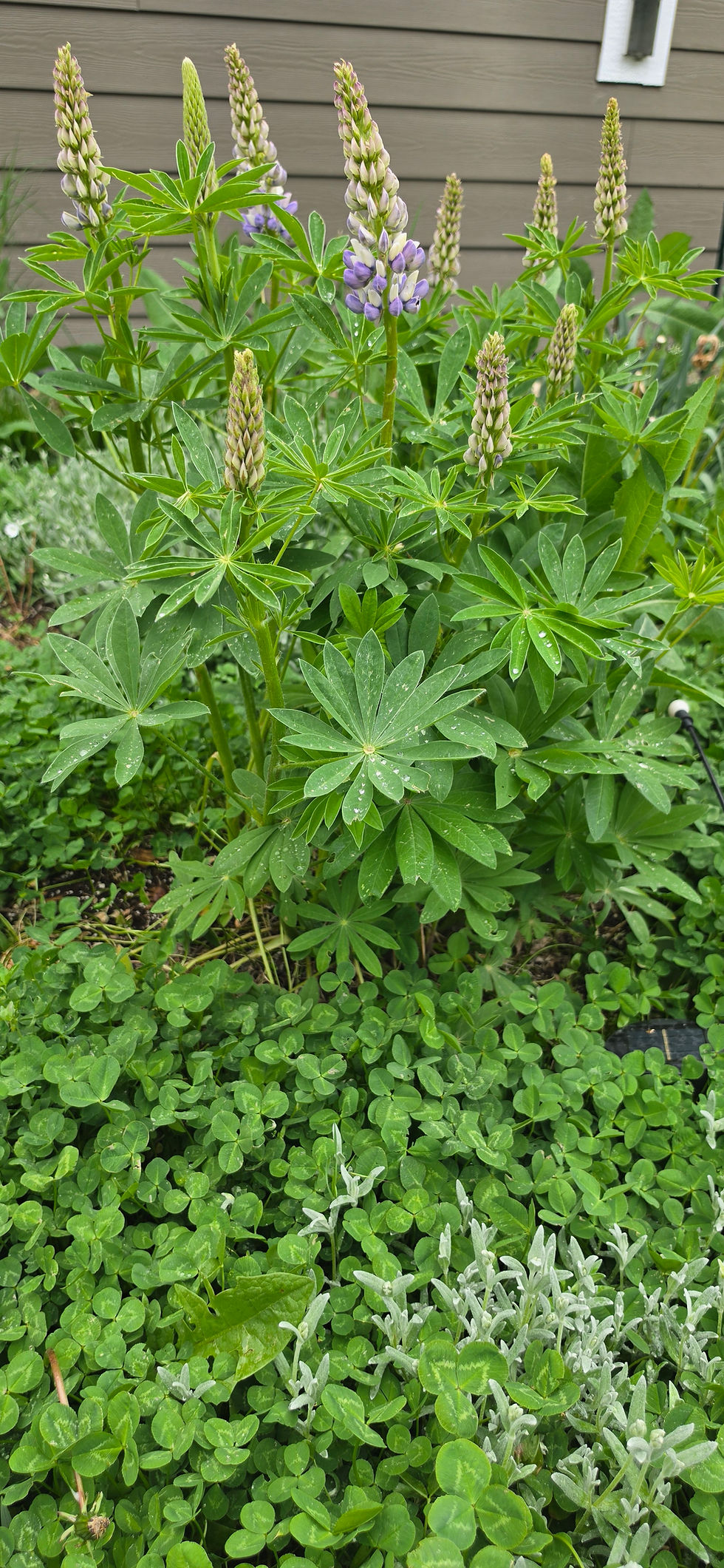
Did you know some plants can actually feed the soil—and the plants around them? Legumes like beans, peas, and clover are nitrogen-fixers. They pull nitrogen from the air and store it in their roots, leaves, and stems, enriching the soil for next year's plants. Dynamic accumulators like comfrey and yarrow draw up minerals from deep in the ground and make them available to shallow-rooted crops. Instead of relying on synthetic fertilizers, you can grow your own fertility right in the garden bed.
Living Mulch: Let Plants Do the Weeding
Bare soil is an open invitation for weeds—and it dries out fast. But when you use low-growing companions as living mulch, you shade the ground, retain moisture, and crowd out unwanted plants naturally. Squash, sweet potatoes, and strawberries spread across the soil surface, protecting it while producing food. Less weeding, more harvesting. That's the kind of trade-off low-energy gardeners love.
Pollinator Magnets: Inviting the Bees (and Butterflies)
Want better fruit set on your tomatoes, squash, and peppers? Invite the pollinators. Flowers like borage, calendula, lavender, and phacelia act as pollinator magnets—drawing bees, butterflies, and beneficial insects into your growing space. These same flowers often repel pests or confuse them with their strong scents, giving your crops extra protection without a single spray.
Building Resiliency in Your Growing System
A monoculture is fragile. One pest outbreak, one disease, and the whole crop can fail. But a diverse, companion-planted garden is resilient. When you mix plants with different root depths, nutrient needs, and pest relationships, you create a balanced ecosystem that can bounce back from challenges. Companion planting isn't just about growing food—it's about building a system that supports itself season after season, with less effort from you.
A Classic Example: The Three Sisters
One of the most famous companion planting combinations is the Three Sisters, adapted from North American Indigenous knowledge—corn, beans, and squash planted together:
Corn provides a natural trellis for beans to climb.
Beans fix nitrogen in the soil, feeding the corn and squash.
Squash spreads along the ground as living mulch, shading weeds and retaining moisture.
Nature does the heavy lifting. You just plant smart.
Why It Matters (Especially for Low-Energy Gardeners)
When your energy is limited, you want your garden working with you—not against you. Companion planting reduces pest problems, cuts down on weeding, builds healthier soil, and creates a more self-sustaining system. That means less intervention from you and more time enjoying the harvest.
Ready to Go Deeper?
This is just a taste of what's possible. In my pay-what-you-can Companion Planting Starting Course, you'll learn:
The basics of companion planting and how to get started.
How to use plants as nutrients in your garden.
Special considerations for your unique growing conditions.
Real examples of observation and companion planting planning.
Companion planting charts, examples, and resources to guide your journey.
Enroll in the Companion Planting Starting Course and start building a garden that works with nature—not against it. Coming next week!
Embracing the Journey of Gardening
Gardening is more than just a hobby; it's a journey. Each plant tells a story, and every season brings new lessons. As we explore the world of companion planting, we find ways to connect with nature and nurture our gardens. Remember, it's about creating harmony in your space.
So, whether you're planting your first seeds or you're a seasoned gardener, embrace the beauty of companion planting. Let your garden be a sanctuary where you can find joy and peace, even on the toughest days.
Happy planting,
The Chronically Tired Gardener


Comments