Ultimate Guide to Mulch - Types Benefits and Best Practices for Your Garden
- MJ

- May 20
- 8 min read
Mulch is one of the simplest yet most effective tools gardeners can use to improve soil health, reduce maintenance, and boost plant growth. At its core, mulch is any material spread over the soil surface to protect it and support plant life. Beyond just covering the ground, mulch helps reduce weed growth, retains moisture, encourages biodiversity, and stimulates microbial activity in the soil. These benefits make mulch a key component in sustainable gardening and farming practices.
Understanding the different types of mulch and how to use them can transform your garden’s productivity and appearance. This guide explores three main mulch categories: living mulch, organic brown mulch, and non-organic mulch. We will discuss their costs, benefits, drawbacks, and best uses. You’ll also learn about how mixing mulch types can create healthier, more resilient gardens. Finally, we’ll look at which mulches work best in annual versus perennial beds and share practical mulching setups you can try.
What Mulch Does for Your Garden
Mulch acts as a protective blanket for your soil. It blocks sunlight, which helps reduce weed pressure by preventing weed seeds from germinating. By covering the soil, mulch slows evaporation, keeping moisture in the ground longer and reducing the need for frequent watering. Some types of mulch will hold moisture and slowly release it to the surround during dry weather spells. This moisture retention is especially valuable during hot, dry seasons.
Mulch also supports soil life. Organic mulches break down over time, feeding beneficial microbes and earthworms that improve soil structure and nutrient cycling. This increased microbial activity boosts plant health and resilience. Additionally, mulch creates a habitat for insects and other organisms, increasing biodiversity in your garden ecosystem.
The Three Main Types of Mulch
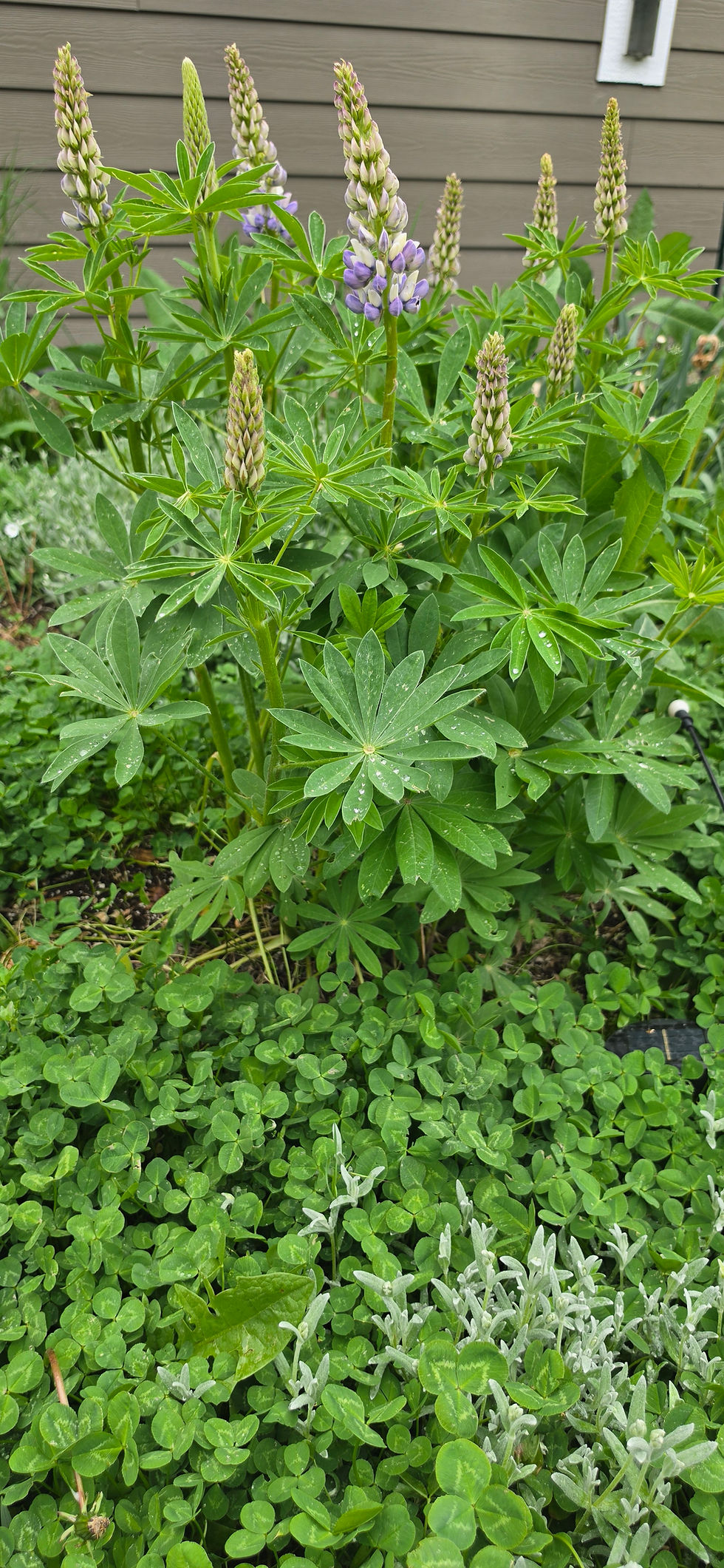
1. Living Mulch
Living mulch consists of low-growing plants that cover the soil surface. Examples include clover, creeping thyme, and certain groundcovers like strawberries, herbs or buckwheat. These plants compete with weeds for space and nutrients while protecting the soil.
Cost:
Living mulch can be inexpensive if you propagate plants yourself or use seeds. Initial establishment may require some effort.
Benefits:
Improves soil fertility by fixing nitrogen (in legumes like clover)
Provides habitat for beneficial insects
Reduces soil erosion
Adds organic matter and nutrients as plants grow and die back
Can double as food for grazing animals on a large scale or chicken/rabbit tractors on smaller scale
Drawbacks:
Can compete with main crops for water and nutrients if not managed properly
May require mowing or trimming to keep in check
Not suitable for all garden types, especially where precise spacing is needed
Best Uses:
Living mulch works well in perennial beds, orchards, walking paths and areas where long-term soil cover is desired. It’s ideal for gardeners looking to build soil health naturally over time.
2. Organic Brown Mulch

Organic brown mulches include materials like wood chips, straw, shredded leaves, bark, coconut coir. These mulches break down gradually, enriching the soil.
Cost:
Prices vary depending on source. Straw and leaves are often free or low-cost, while wood chips may cost more if purchased. Most areas I have lived offer free woodchips and sawdust. Local mills (ensure wood is not stained, painted or treated), and city recycling centers.
Benefits:
Improves soil structure and fertility as it decomposes
Retains moisture effectively
Releases excess water to surround plants during dry spells
Suppresses weeds
Adds a natural look to garden beds
Some can deter slugs (pine needs, wood bark, coconut coir)
Drawbacks:
Needs replenishing regularly as it decomposes
Some materials (like fresh wood chips) can temporarily tie up nitrogen in the soil (Usually not an issues when applied on top, or layered with greens/compost)
May attract pests if not managed properly. Straw and paper being the most likely
Compacts over time and will need fluffing to help with aeration.
Best Uses:
Organic brown mulch suits both annual and perennial beds. It’s especially useful around shrubs, trees, and vegetable gardens where soil enrichment is a priority. Natural looking walkway. It does work best when paired with compost or chop and drop green mulch when used under plants. This reduces the nitrogen leeching concern from brown mulches.

3. Non-Organic Mulch
Non-organic mulches include plastic sheeting, concrete, gravel, and geotextiles. These materials do not break down and provide a long-lasting soil cover.
Cost:
Initial costs can be higher than organic mulches, but they last longer and require less frequent replacement.
Benefits:
Superior weed suppression
Durable and long-lasting
Can warm soil in early spring (plastic mulch)
I have found it harbors slugs and other garden pests
Drawbacks:
Plastic and geotextiles can leach microplastics into the soil, harming soil life
They can cause soil and plant roots to overheat, especially in hot climates
Do not improve soil fertility or structure
Difficult to remove or recycle
Best Uses:
Non-organic mulches work well in pathways, permanent beds, or commercial agriculture where weed control and durability are priorities. Plastic mulch is common in vegetable production for early season warming. Can also be very beneficial for seniors and individuals with disabilites to lower overall inputs.

Concerns with Non-Organic Mulches
Plastic and geotextile mulches have become popular for their weed control and moisture retention. However, recent studies show these materials can release microplastics into the soil. These tiny plastic particles accumulate over time, potentially harming soil microbes and earthworms essential for healthy soil.
Additionally, plastic mulch traps heat, which can stress plant roots and reduce microbial diversity. This heat buildup may also dry out soil faster once irrigation stops. Geotextiles, while permeable, still block organic matter from reaching the soil and can disrupt natural soil processes.
I do feel like they have their benefits, and I personally will be using them for my orchard, along with living mulch and leaves, to reduce overall energy inputs. This is not a complete bash agains non-organic mulch, just a warning and something to be aware of. For smaller scale gardeners focused on soil health and sustainability, limiting or avoiding plastic and synthetic mulches is recommended when you can.
Biodegradable and Hybrid Plastic Alternatives
For gardeners who want the weed-suppressing power of plastic mulch without the long-term environmental concerns, biodegradable and hybrid alternatives are worth exploring. These materials are designed to break down naturally over time, reducing the risk of microplastic buildup in your soil. I have separated them from browns and plastics because I feel like they off unique pros and considerations. They do not improve soil like the above mentioned organic mulches, but they also don't leech the same microplastics as the inorganic. They offer some benefits of both for energy and time constraints. The biggest consideration being cost, these alternatives tend to be expensive, but if you are looking for a great way to provide eco friendly weed control on a large scale annual garden, or are low on time and energy and have the financial capacity these can be great options to consider!
Biodegradable plastic film is made from plant-based materials like cornstarch or sugarcane. It functions much like traditional black plastic — warming the soil, suppressing weeds, and retaining moisture — but breaks down within one to two growing seasons, eliminating the need for removal. This makes it a practical option for annual vegetable beds where you would otherwise be pulling up plastic at the end of each season.
Paper mulch is another accessible alternative. It is fully compostable, easy to apply, and works well when layered with organic materials on top. Usually a thicker paper paper than what you would normally use around the home. It does break down faster than plastic, especially in wet climates, so it may need refreshing mid-season.

Compostable weed mats made from natural fibers like jute, coconut coir or hemp offer a longer-lasting option that still breaks down over time. These are a great middle ground for raised beds, pathways, or around perennial plants where you want durability without the permanence of synthetic materials.
Things to keep in mind:
Always look for certified compostable or BPI-certified products to ensure they break down as claimed. Some companies use binders that can be harmful. Ensure eco-friendly. As well some mats use salt to dehydrate, so rinsing before applying to garden is advised.
Even biodegradable films may need specific conditions (heat, moisture, microbial activity) to break down properly
Pairing any of these with a layer of organic mulch on top will extend their life and improve moisture retention
For those of us managing gardens with limited energy, these alternatives offer a lower-input solution that still supports soil health over time — a true win for both the gardener and the garden.
Benefits of Mixing Mulch Types
Natural thriving systems on planet earth benefit from bio-diversity, the same idea for mulching by using a combination of mulches we can maximize benefits and reduce drawbacks. For example:
Straw and buckwheat: Straw provides moisture retention and weed suppression, while buckwheat grows quickly as a living mulch, attracting pollinators and improving soil. When you chop and drop buckwheat on to the straw you are starting a mini lasagna compost in your garden bed, increase the amount of nutrients and water retention benefits.
Wood chips and strawberries: Wood chips slow moisture loss and suppress weeds, while strawberries act as a living mulch, providing ground cover and fruit.
Compost topped with leaf mulch: Compost feeds soil microbes, and leaf mulch protects compost from drying out.
Organic Hybrid Alternatives: Topping these biodegradable plastics, paper and mats with browns to extend their life, retain more moisture and cool down soil in hot dry seasons.
Mixing mulches creates a layered effect that supports soil life, conserves moisture, and controls weeds more effectively than a single mulch type.
Mulch Applications for Annual vs. Perennial Beds
Annual beds, where plants grow for one season, benefit from mulches that are easy to apply and remove. Organic brown mulches like straw or shredded leaves work well because they suppress weeds and improve soil without interfering with planting schedules. Interplanting with annual living mulches or companion plants can also protect soil and attract beneficial insects. When we plant perennial living mulch to our annual beds they can quickly start to take over and suppress the more tender annuals.
Perennial beds, which house plants for multiple years, are better suited to living mulches or long-lasting organic mulches like wood chips. Living mulches grow alongside perennials, improving soil over time and reducing erosion. Wood chips provide a stable, nutrient-rich environment that supports perennial roots year-round.
By keeping annuals with annuals you reduce the competition for space and nutrients, with keeping perennials together you help support a more fungally dominant ecosystem that perennials prefer to thrive.
Real-Life Mulching Setups
Vegetable garden: Use straw before and after plants establish to retain moisture and suppress weeds.
3-Sister Bed: Plant buckwheat for rapid growth and weed suppression. As slower growing squash and corn start to take over, chop and drop for added nutrients.
Orchard floor: Plant clover as a living mulch between trees, with wood chip mulch around tree bases to protect roots and improve soil.
Flower beds: Combine shredded leaves, chop and drop greens with low-growing groundcovers like creeping thyme or clover to create a natural, weed-resistant carpet. Use woodchips or pine needles for walk ways.
Herb garden: Closely interplant different types of herbs, thyme with sage to provide both food and ground cover.
Seniors and those with disabilities: Use Geotextile or Plastic sheeting to eliminate weed suppression. While chop and dropping plants or adding near base of plants for worms to recycle into the soil below. Can also add a light layer of leaves, grass clippings or other browns on top of plastic to reduce heat concerns.
These setups show how choosing the right mulch type and combining mulches can create healthy, productive gardens tailored to specific needs.
No matter what type of mulching you use, covered soil is always more beneficial than bare soil. Even a simple layer can dramatically reduce weed pressure, hold moisture in the ground longer, and cut down on how often you need to water—saving both energy and money. My only suggestion is to choose organic material when you can and limit plastic where you can. Whether you choose living groundcovers, organic “brown” mulches, or longer-lasting materials for paths and problem areas, the goal is the same: protect the soil, support the life within it, and create a garden that can handle heat, drought, and heavy rain with more resilience. Start with what you have, adjust as you learn, and remember that every step toward keeping soil covered is a step toward a healthier garden—and a healthier planet.
Happy Gardening!
Chronically Tired Gardener
Check out this YouTube Video so see all the ways I use mulch around my yard!

Comments