Planting With Diversity in Mind: Why More Kinds of Plants Makes a Better Garden
- MJ

- Apr 21
- 6 min read

If you’re gardening with limited time or energy, it’s tempting to keep things simple: a few familiar crops, planted in neat rows, and called good. But one of the most helpful permaculture shifts is planting with diversity in mind—growing a wide range of plants (both edible and non-edible) so your garden becomes more resilient, more productive, and often less work over time.
Diversity doesn’t mean chaos. It means building a garden that functions more like a healthy ecosystem: many different plants doing different jobs, supporting each other, and buffering you from pests, weather swings, and soil problems.
What “planting diversity” really means
Planting diversity can look like:
Mixing annuals and perennials
Growing multiple plant families (not just all brassicas, or all nightshades)
Including flowers, herbs, and native plants alongside vegetables
Planting in layers (groundcovers, mid-height plants, shrubs, trees where appropriate)
Choosing varieties with different maturity dates and bloom times
Even small gardens can benefit from this. A few extra plant types can make a noticeable difference.
The benefits of planting a wide range of edible and non-edible plants
1) Fewer pest blow-ups (and more natural pest control)
When a garden is mostly one crop (or one plant family), pests can find it easily and spread fast. Diversity makes it harder for pests to “lock on” to a single food source.
Even better: non-edible plants often act like your garden’s support team by attracting beneficial insects. Many predatory and parasitic insects (the ones that help with aphids, caterpillars, and mites) need nectar and pollen at some point in their life cycle. If your garden only blooms for a short window—or doesn’t bloom much at all—those helpers may not stick around.
These help by:
Confusing pests and slowing spread
Providing habitat and food for beneficial insects
Creating a more balanced system where no single pest dominates as easily
2) Better pollination and better yields
A lot of edible crops depend on pollinators, and pollinators need consistent food sources. When you plant a variety of flowering plants—especially with staggered bloom times—you’re essentially keeping a “pollinator pantry” open for longer.
Better fruit set on squash, cucumbers, berries, and fruit trees
More consistent harvests
A garden that feels more alive (and supports local biodiversity)
3) Healthier soil with less effort
Different plants feed the soil in different ways. Some have deep roots that pull up minerals; others have fibrous roots that hold soil structure together; legumes can support nitrogen cycling; and flowering plants can support the soil food web by keeping living roots in the ground longer.
When you diversify what you grow, you diversify what’s happening underground too—and that’s where long-term soil health is built.
Diversity supports soil by:
Improving soil structure (less compaction, better crumb)
Increasing organic matter through varied root systems and plant residues
Supporting a wider range of microbes and fungi
4) More resilience in weird weather
If one crop fails due to heat, cold snaps, pests, or timing, a diverse garden usually still produces something. It’s a built-in backup plan.
Instead of “all your eggs in one basket,” you get:
Multiple harvest windows
Multiple crop types with different tolerances
Less risk of a total loss
5) More food, more nutrients, more options
A diverse garden often means a more diverse diet—different vitamins, minerals, and flavors. It also means you can harvest from different parts of the garden at different times: leaves, roots, fruits, seeds, herbs, flowers, and perennial greens.
How plants benefit each other (it’s not just “companion planting”)
Plants can support each other in a few key ways:
Shade and shelter: Taller plants can protect more delicate ones from harsh sun or wind.
Living mulch: Low-growing plants can cover soil, reduce evaporation, and suppress weeds.
Root diversity: Different root depths reduce competition and improve nutrient cycling.
Attracting helpers: Flowers and herbs bring in pollinators and beneficial insects.
Trap cropping (sometimes): Certain plants can draw pests away from your main crop (this is very site-specific, but it can help).
The goal isn’t to find a “perfect pairing.” It’s to create a community of plants where the overall system is stronger.
The power of staggering bloom times
One of the easiest diversity upgrades is choosing plants so something is blooming for as much of the season as possible.
Why it matters:
Beneficial insects need nectar/pollen across their life cycles
Pollinators need steady food sources, not just a short burst
Continuous bloom supports a stable garden ecosystem
A simple approach:
Early season bloomers (spring)
Mid-season bloomers (summer)
Late bloomers (late summer/fall)
Even adding a few reliable flowers and herbs can extend bloom time dramatically.
Crop rotation: diversity over time
Crop rotation is another form of diversity—just spread across seasons. Instead of planting the same crop family in the same spot year after year, you rotate where plant families go.
Why rotation helps:
Reduces buildup of pests and diseases that target specific plant families
Balances nutrient demands (some crops are heavier feeders than others)
Supports soil health by changing root patterns and residues
You don’t need a complicated system. Even a simple rotation—like moving nightshades, brassicas, legumes, and roots/greens to different areas each year—can make a big difference.
If you’re gardening with limited energy, consider keeping it gentle:
Rotate by plant family
Use a simple map or notes
If you can’t rotate perfectly, rotate what you can and focus on soil cover + compost + mulch
A gentle takeaway
Planting diversity is one of those strategies that pays you back. It can mean fewer pest problems, better pollination, healthier soil, and more reliable harvests—without needing to micromanage everything. Start small: add a few flowers, mix in herbs, try a new plant family, or plan for blooms across the season. Over time, your garden becomes less fragile and more supportive—of you, and of the life that makes gardening work.
Diversity upgrades for zones 3–7 (practical examples)
1) Add flowers that do a job (not just “pretty”)
Flowers are one of the fastest ways to increase diversity because they support pollinators and beneficial insects—and many are tough enough for zones 3–7.
Easy, high-impact options (many work across zones 3–7):
Calendula (long bloom, easy from seed, helpful insect support)
Nasturtium (edible flowers/leaves, great “spiller” plant, can distract pests)
Borage (pollinator magnet; self-seeds in many gardens)
Yarrow (perennial; beneficial insect support; drought tolerant once established)
Echinacea (perennial; pollinators + seed for birds)
Bee balm / Monarda (perennial; big pollinator draw)
Asters (late-season bloom—great for extending the season)
Sunflowers (structure, shade, pollinators, bird food)
Simple way to use them: plant a short strip of flowers at the end of each bed, or tuck a few between crops so there’s always something blooming.
2) Build a simple fruit guild (a “support team” around a fruit plant)
A fruit guild is a small plant community designed to support a fruit tree or shrub—helping with pollination, pest balance, soil cover, and nutrient cycling.
Example: Apple tree guild (zones 3–7, adjust to your site)
Tree: apple (choose a hardy variety for your zone)
Pollinator/beneficial flowers: yarrow, calendula, bee balm, asters
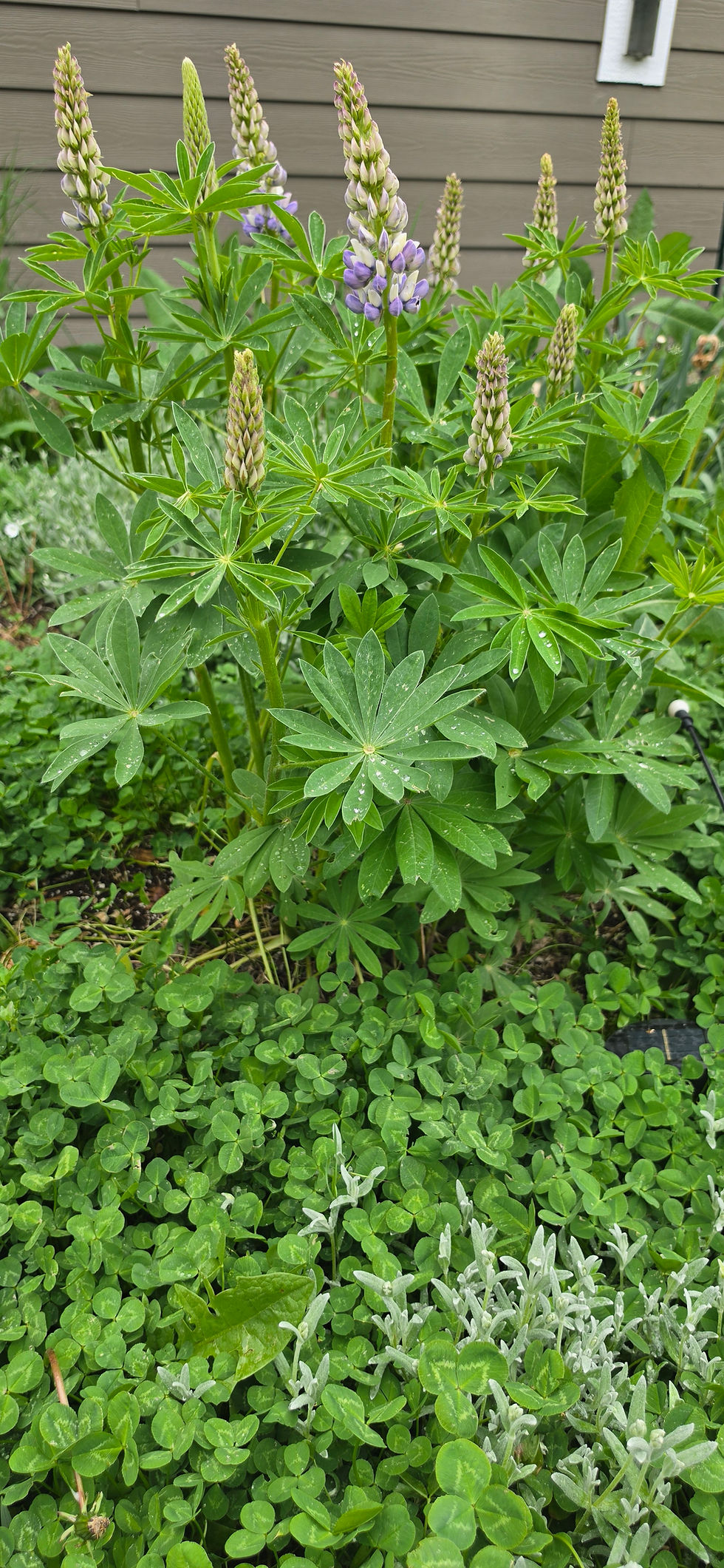
Groundcover/living mulch: clover, creeping thyme (where hardy), strawberries (often great in 3–7)
Dynamic accumulators (nutrient miners): comfrey (where appropriate), dandelion (yes, it’s doing a job), yarrow
Bulbs/early bloom: chives or garlic chives (also helpful for pest confusion)
You don’t need to plant everything at once. Even adding groundcover + a few flowers is a big diversity upgrade.
3) Create a “wilding corner” (low-effort biodiversity)
A wilding corner is a small area you intentionally leave a bit messier—native plants, self-seeding flowers, grasses, leaf litter, and stems left standing longer. This creates habitat for beneficial insects, birds, frogs, and pollinators.
Why it helps your garden:
More predators for pests (lady beetles, lacewings, parasitic wasps, birds)
Better pollinator presence
Less pressure on your annual beds to do everything
What a wilding corner can include (zones 3–7):
Native wildflowers (Look up local species and ask garden centers in your area)
A small brush pile or log edge (Can attract ticks, so ensure this is an area you will leave alone)
Leaves left to break down (Many insects lay eggs in these piles)
A shallow water dish (with stones for insect landing)
Think of it as your garden’s “support department.”
4) Annual bed diversity upgrades (simple mixes that work)
If you grow in annual beds, diversity can be as simple as mixing plant families and adding a few “helper” plants.
Example bed upgrade ideas:
Bed A (heavy feeders): tomatoes + basil + calendula + a low clover edge
Bed B (brassicas): kale/cabbage + dill/cilantro flowers + nasturtium nearby
Bed C (roots/greens): carrots + lettuce + scallions + a few sunflowers at the north end
Bed D (legumes): peas/beans + a flower strip (borage/calendula) to keep pollinators close
Even if you prefer tidy rows, you can still add diversity by:
Planting two varieties of the same crop with different maturity dates
Adding one flower every few feet
Mixing two plant families per bed instead of one


Comments